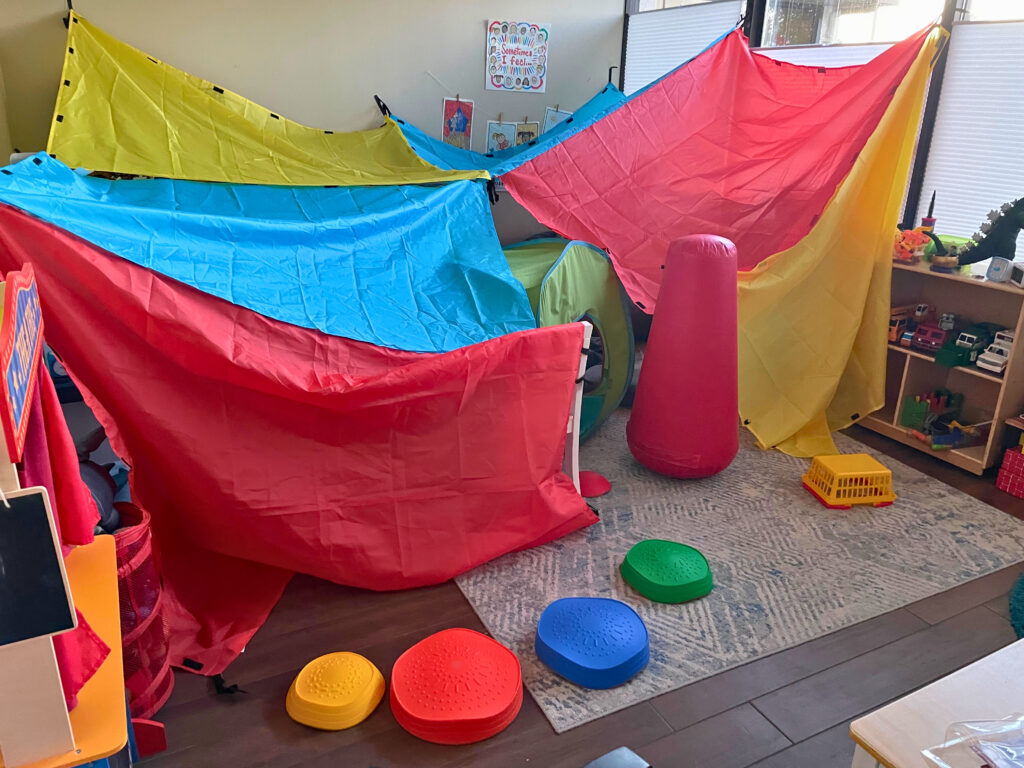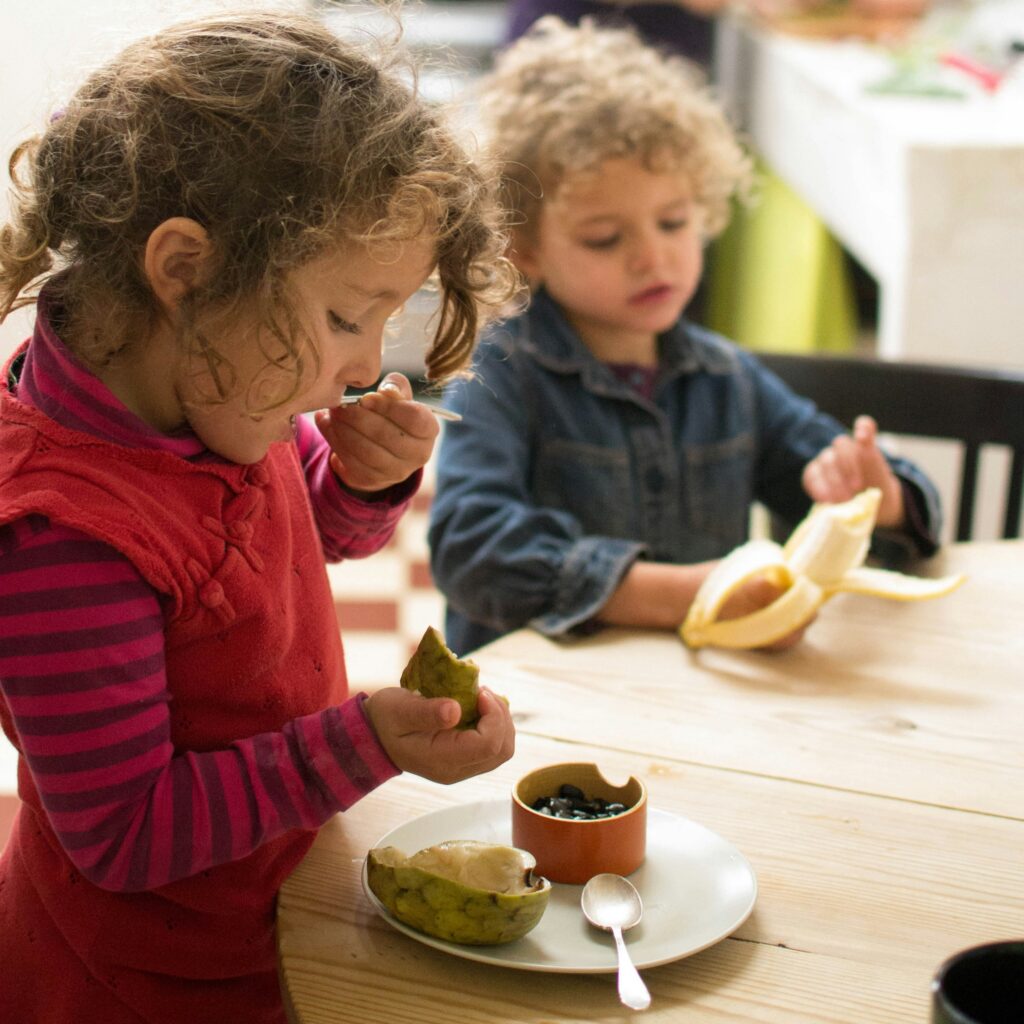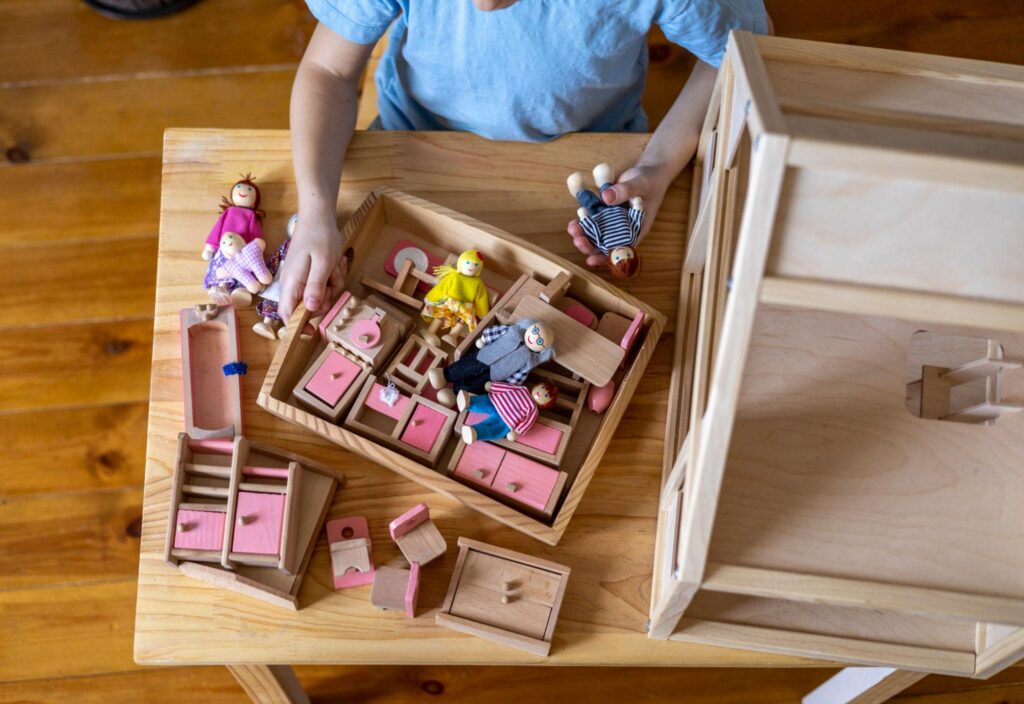
In Child-Centered Play Therapy (CCPT), the playroom is the child’s world—a space where every toy has purpose and possibility. As Garry Landreth reminds us, “toys are their words and play is their language.” For new therapists, it can be tempting to fill the shelves with every interesting item, but in CCPT, “toys are selected, not collected.” What matters most is intention.
A thoughtful playroom balances structure and freedom, expression and safety. Each toy invites communication through play—whether it’s a puppet telling a story, a dinosaur showing power, or a doll reenacting family life.
When selecting materials, remember to choose toys that are safe, durable, and developmentally appropriate for the children you serve. Representation matters—not just so children can see themselves reflected, but so they can safely explore identities, roles, and possibilities of who they might become. Include diverse dolls, figures, and materials that invite curiosity, imagination, and belonging.
And don’t forget to consider your own needs when creating your playroom. Your regulation is the most important tool in the room. If sand makes you cringe, try a rice or lentil tray instead. If mixed Play-Doh colors bother you, keep just one color on hand. Your congruence—the ability to be genuine and grounded—is what makes healing possible. Creating a playroom that works for you is part of that process.
A starting point for stocking your playroom—you don’t need it all, just what fits your space, clients, and authentic way of working.