resources

Declarative Language and Tracking Statements in Child-Centered Play Therapy

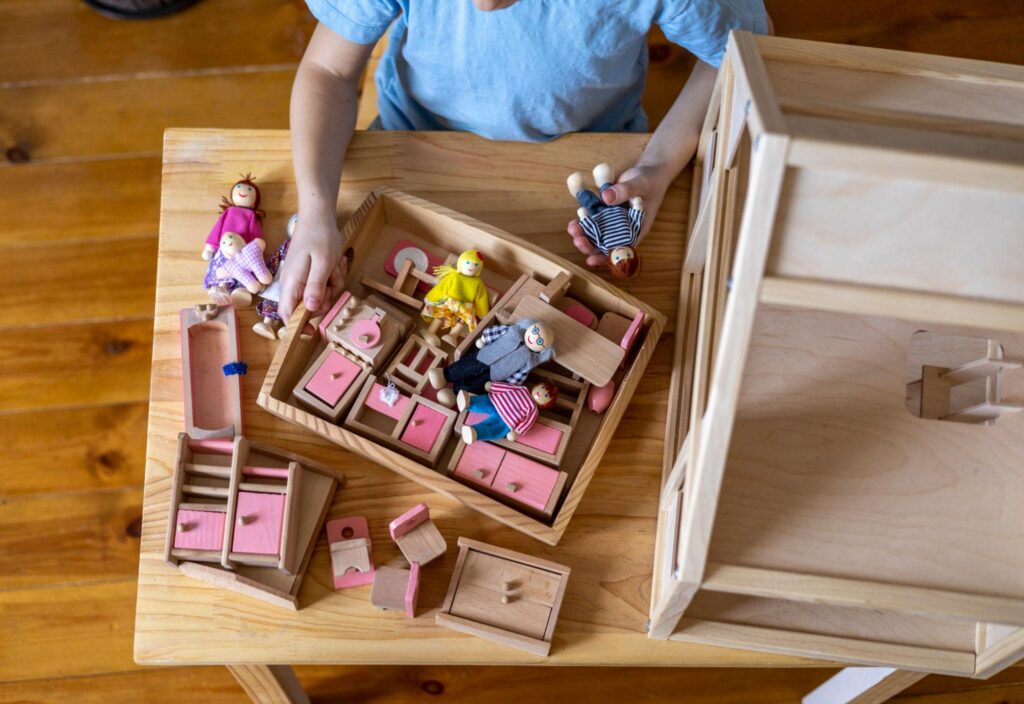
Declarative language and tracking statements help therapists stay grounded in the child’s experience during Child-Centered Play Therapy. By noticing and describing what the child is doing, therapists not only communicate understanding and safety but also support children in building awareness, language, and confidence in their own experiences.

Declarative Language and Tracking Statements in Child-Centered Play Therapy Read More »
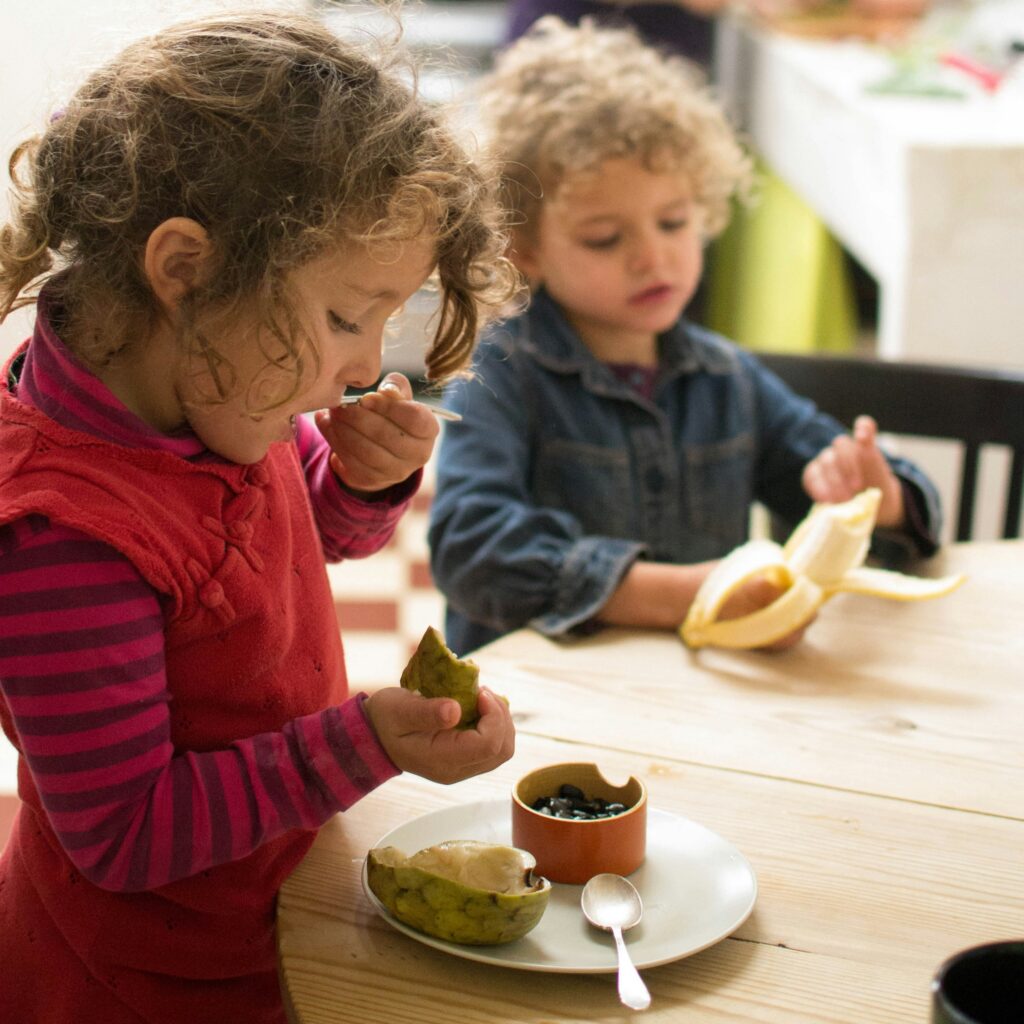
Pediatric Feeding Disorder & Why Interdisciplinary Training Matters

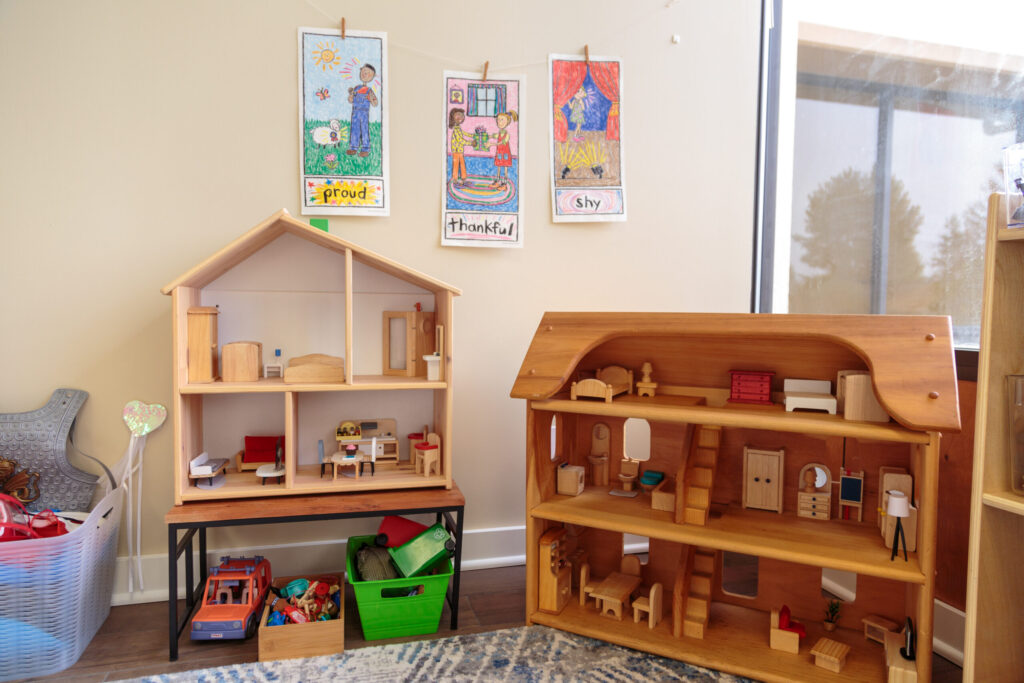
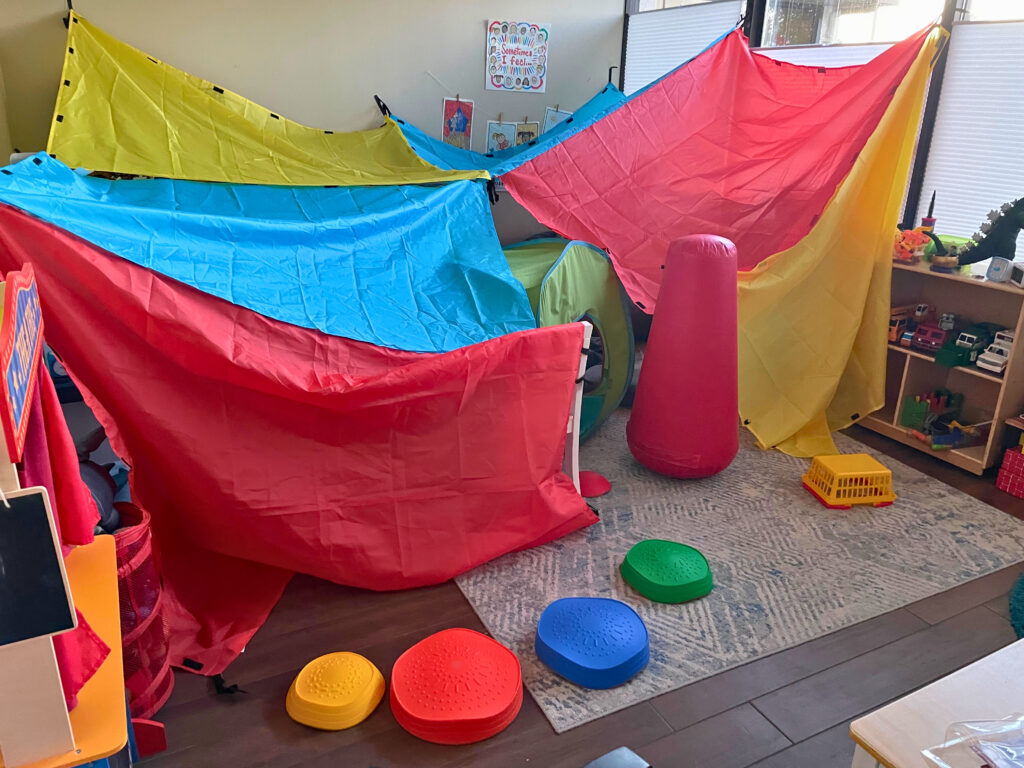
In Child-Centered Play Therapy, every toy is chosen with purpose—because in this space, “toys are their words and play is their language.” A thoughtful playroom balances safety, diversity, and emotional expression while reflecting both the child’s and therapist’s needs. When intention guides your setup, the room itself becomes a partner in healing.

Pediatric Feeding Disorder & Why Interdisciplinary Training Matters Read More »

Building an Inclusive Playroom: What to Consider When You’re Getting Started

In Child-Centered Play Therapy, every toy is chosen with purpose—because in this space, “toys are their words and play is their language.” A thoughtful playroom balances safety, diversity, and emotional expression while reflecting both the child’s and therapist’s needs. When intention guides your setup, the room itself becomes a partner in healing.

Building an Inclusive Playroom: What to Consider When You’re Getting Started Read More »